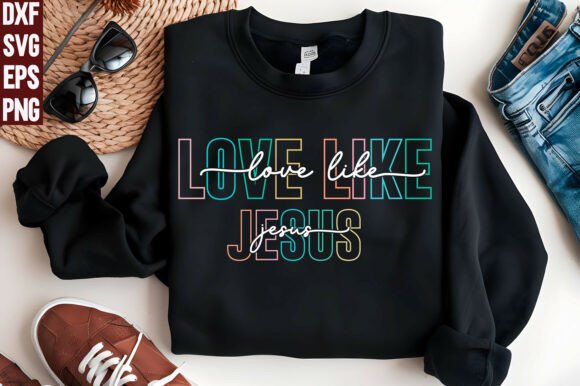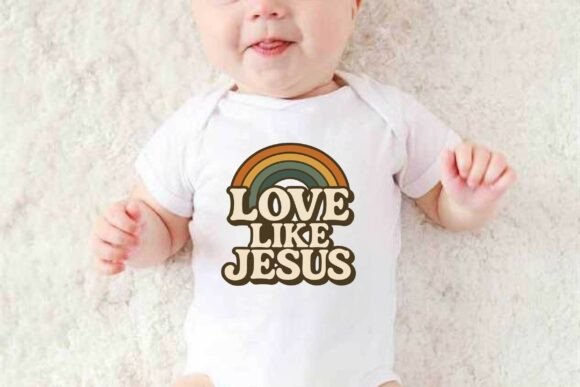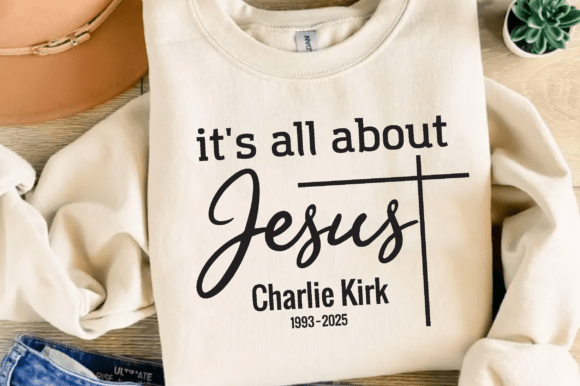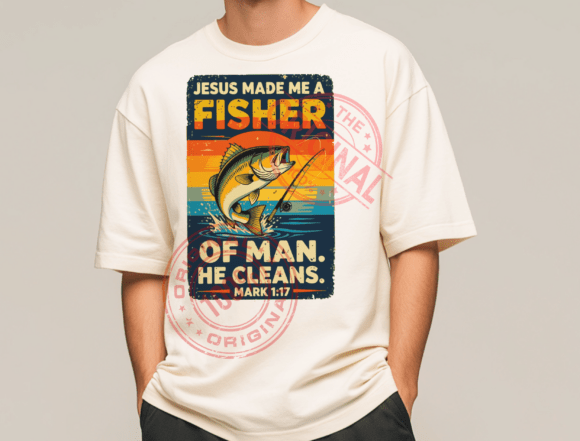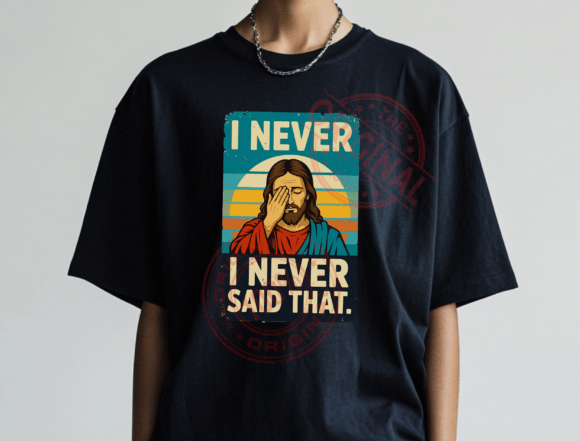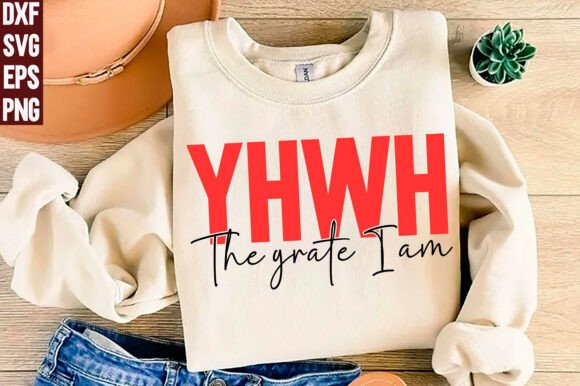
Yahweh SVG & Jesus PNG for Local Business Branding
As a brand designer who’s developed visual identities for 27 local businesses—from artisanal soap studios in Asheville to family-run coffee roasters in Portland—I recently evaluated Yahweh SVG, YHWH Shirt, Jesus PNG, Jesus not as a marketplace download, but as a working graphic design asset for real small business branding. My test case? A Nashville-based candle brand launching a “Sacred Light” seasonal collection—hand-poured soy candles with botanical blends, sold in boutiques and farmers’ markets. This wasn’t about aesthetics alone; it was about whether Yahweh SVG, YHWH Shirt, Jesus PNG, Jesus could earn its place across packaging, labels, social media graphics, and in-store signage without diluting clarity or credibility.
A First Impression That Speaks Before You Do
At glance, this asset suite reads as reverent yet approachable—clean line work, balanced negative space, and subtle texture in the PNG variants that suggest hand-drawn care rather than mass-produced clipart. It leans toward elegant rustic, not ornate or baroque. Think linen tea tags, kraft paper hang tags, or matte-finish candle jars—not glossy corporate brochures. For a local business, that tone is gold: it signals authenticity, intentionality, and quiet confidence. It doesn’t shout; it invites pause. That makes it ideal for handmade businesses, faith-aligned wellness brands, boutique gift shops, and seasonal product campaigns where emotional resonance matters more than trend-chasing.
Where It Strengthens Real Local Business Presentation
In practice, Yahweh SVG, YHWH Shirt, Jesus PNG, Jesus works hardest where small businesses need the most polish: on product labels and packaging accents. I placed the SVG version on a 2.5-inch circular sticker for the candle lid—it scaled crisply, retained fine detail at 150 DPI print, and held visual hierarchy beside the brand name and scent descriptor. On thank-you cards and printable inserts, the PNG’s transparent background layered cleanly over watercolor backdrops—no haloing, no pixelation. As a decorative element in Canva templates for Instagram Stories, it anchored promotional banners without competing with body text or call-to-action buttons.
It also elevates marketing visuals where consistency builds trust. Used as a recurring motif—on menu graphics for a faith-friendly café, as a subtle watermark on recipe cards for a gluten-free bakery, or as a foil-stamped accent on greeting cards for a floral studio—it reinforces brand identity without repetition fatigue. That’s rare in digital design assets: most either dominate or disappear. This one supports.
Smart Uses Across Your Brand Ecosystem
- Product labels: Works especially well on natural-material substrates—kraft paper, uncoated cardstock, recycled glass jars—where its clean lines contrast thoughtfully with organic textures.
- Packaging design: Ideal as a secondary brand mark (not primary logo), used on tape seals, belly bands, or inner box liners to reward unboxing moments.
- Social media graphics: Scales beautifully in Instagram carousels and Pinterest pins—especially when paired with serif or soft sans-serif typography for readability.
- Seasonal campaign visuals: Shines in Advent calendars, Easter collections, or Lenten wellness kits—adding spiritual warmth without overt proselytizing.
- Boutique visuals: Enhances shelf appeal on shelf talkers, window clings, and price list headers—giving handmade goods a cohesive, curated feel.
Where Caution Keeps It Professional
This isn’t a universal fit—and that’s honest design advice, not limitation. Avoid using Yahweh SVG, YHWH Shirt, Jesus PNG, Jesus in formal corporate branding (e.g., law firms, financial advisors), luxury minimalist skincare lines, or anywhere legal disclaimers or ingredient lists dominate the visual field. Its presence can unintentionally soften perceived authority or clutter tight layouts. On very small labels (under 1 inch), the finer SVG details risk blurring unless simplified first. And on low-contrast backgrounds—like light gray over pale beige—it loses definition unless manually adjusted for contrast or stroke weight.
Practical Designer Notes You’ll Actually Use
Before committing to Yahweh SVG, YHWH Shirt, Jesus PNG, Jesus for client work or your own product line, run these checks:
- Test it on a real product mockup—not just screen previews—especially for packaging design and label placement.
- Convert to grayscale and check black-and-white usage: does it retain legibility on thermal receipt paper or monochrome business cards?
- Preview at 30% size: will it read clearly on a 1.25-inch hang tag or sticker?
- Layer it over your brand color palette: does it harmonize with your primary and secondary hues—or clash with warm undertones?
- Compare side-by-side with competitor packaging: does it stand out with distinction, or fade into visual noise?
- Verify print quality: request a physical proof if ordering bulk runs—some PNGs lose edge sharpness in CMYK conversion.
- Inspect SVG editability: can you adjust stroke weight or isolate elements for custom layout needs? Not all “SVG” files are truly vector-editable.
- Test typography pairings: try it beside serif (e.g., Merriweather), sans-serif (e.g., Inter), script (e.g., Pacifico), and display fonts (e.g., Bebas Neue) to gauge visual balance.
- Confirm commercial licensing: ensure the license explicitly covers physical product sales, packaging design, and client-facing deliverables—not just personal use or T-Shirt Designs.
Why This Asset Earns Its Place in Your Toolkit
For local business owners building brand identity from scratch—or refining an existing look—Yahweh SVG, YHWH Shirt, Jesus PNG, Jesus delivers more than decoration. It offers emotional anchoring, visual cohesion, and scalable versatility across print and digital touchpoints. When used intentionally—as part of a thoughtful packaging design system or a seasonal social media campaign—it strengthens first impressions, deepens customer trust, and supports professional branding without requiring a full rebrand. It’s not a shortcut. It’s a considered tool—one that earns its spot next to your best typefaces, color palettes, and product mockups. Just remember: great design assets don’t replace strategy—they amplify it.