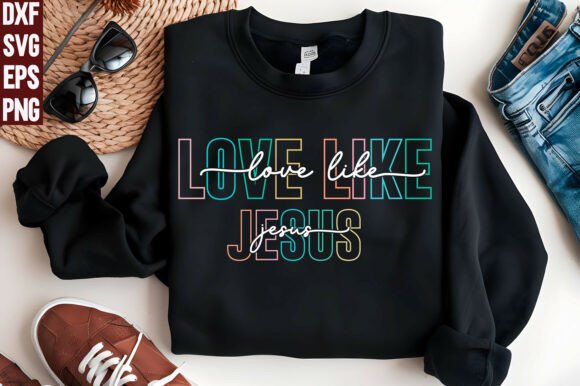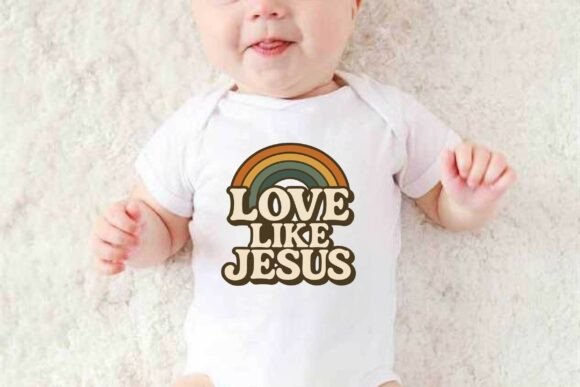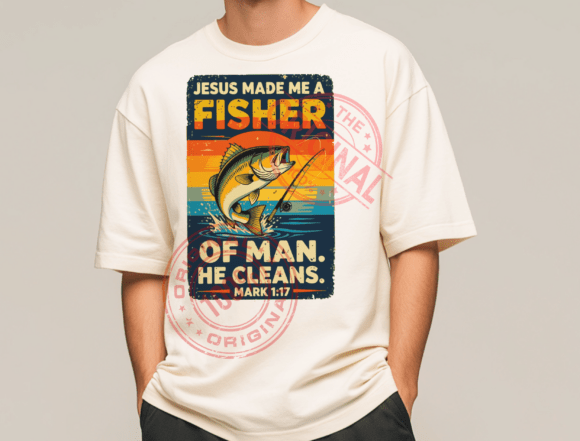
Jesus is King Shirt Jesus Tshirt
A Designer’s First Look: Clean, Reverent, and Ready for Real Fabric
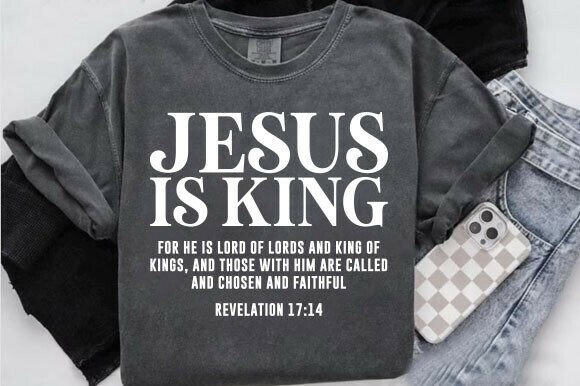
When I opened the Jesus is King Shirt Jesus Tshirt embroidery file, my first thought wasn’t “Oh, another religious design”—it was “This has presence.” The layout is centered and balanced, with strong vertical rhythm in the lettering and a subtle yet intentional weight distribution across the phrase. It reads clearly at 3.5 inches wide—ideal for chest placement on adult tees—but doesn’t feel cramped or shouty. There’s no excessive ornamentation, no distracting halos or crowns layered over the text. Just confident, legible typography grounded in reverence. That simplicity is its biggest strength—and its quietest warning.
Where This Design Earns Its Keep: Sweatshirts, Totes, and Thoughtful Gifts
I recently prepped a small batch of embroidered cotton canvas tote bags for a local church’s youth retreat—each one needed to feel personal but polished, handmade but professional. I chose Jesus is King Shirt Jesus Tshirt as the centerpiece. Why? Because it stitched cleanly on medium-weight canvas with standard tear-away stabilizer, held crisp edges on the “J” and “K,” and scaled beautifully without distortion. It performed just as well on midweight fleece sweatshirts—no puckering, no thread breaks, even across the shoulder seam when placed slightly off-center.
It also translated surprisingly well onto a set of linen-blend pillow covers for a nursery-themed boutique launch. The clean lines didn’t compete with the fabric’s natural texture, and the phrase itself added warmth without sentimentality. For Etsy sellers or small shop owners building a faith-based line, this design fits naturally into categories like custom apparel, holiday embroidery (think Christmas Eve family shirts), personalized gifts for baptisms or confirmations, and even subtle boutique branding on aprons or tea towels.
Where Caution Is Built In—Not Added Later
That same clarity becomes a liability on certain substrates. On thin, stretchy jersey t-shirts—especially light-colored ones—the letterforms can blur if stabilizer isn’t precisely matched. I tested it on a 4.5-oz ring-spun tee with only cut-away stabilizer underneath: the “s” in “is” softened at the curve, losing definition after washing. On dark fabric, contrast matters more than you’d expect—the default fill stitch density leans moderate, so white thread needs solid backing to avoid shadowing through.
Curved surfaces are another checkpoint. I tried it on a structured cotton cap front—hoop size was fine, but the top arc of the “J” compressed slightly, tightening the curve beyond ideal tension. Not a dealbreaker, but enough to warrant a test stitch before committing to a full order. And while it works as an embroidered patch, don’t assume it’ll translate seamlessly to applique design workflows without adjusting satin stitch margins—those tight corners need breathing room.
What Customers Actually Notice (and What They Remember)
Here’s what I’ve observed across real orders: people don’t comment on “stitch count” or “file format.” They notice whether the letters sit evenly, whether the phrase feels intentional—not slapped on—and whether it holds up after three washes. With Jesus is King Shirt Jesus Tshirt, the visual appeal supports trust. It reads as handmade product, not mass-printed clip art. That lifts perceived value—especially for craft business owners pricing items at $45–$65. Buyers engage more when the embroidery looks considered, not convenient.
For wedding gifts or baby embroidery, it adds quiet significance without overwhelming the item. One client ordered it on a soft organic cotton onesie—tiny, centered, stitched in ecru thread. It looked tender, not doctrinal. That nuance matters. It doesn’t scream; it settles. And in a crowded digital embroidery file marketplace, that kind of restraint builds brand consistency across listings, printable mockups, and social previews.
Practical Notes Every Embroiderer Should Run Through
- Always test on scrap fabric first—especially if using textured weaves, blends, or low-thread-count cottons.
- Check thread color contrast against both light and dark backgrounds. A warm ivory works better than stark white on oatmeal fleece.
- Review stitch density before scaling up—it’s optimized for standard 3–4 inch widths, not oversized back designs.
- Confirm hoop size compatibility with your frame system. It fits comfortably in a 4×4 hoop, but pushing beyond requires re-digitizing.
- Inspect small details under magnification: the crossbar on the “t” and inner counter of the “e” hold up well, but verify on your machine’s display.
- Test black-and-white mockups to assess readability at distance—this design relies on shape recognition, not embellishment.
- Use proper stabilizer: medium-weight cut-away for knits, tear-away for stable wovens, and optional topping for napped fabrics like terry cloth.
- Verify licensing terms before listing finished products commercially—or reselling the digital embroidery file itself. As a T-Shirt Designs category asset, it may carry usage limits for resale or redistribution.
Final Thought: A Quiet Anchor in Your Design Toolkit
The Jesus is King Shirt Jesus Tshirt isn’t flashy. It won’t win awards for complexity. But in the daily work of running a craft business, stocking an Etsy shop, or fulfilling custom apparel requests, reliability matters more than novelty. It stitches cleanly, scales predictably, and carries its message with dignity—not dogma. Whether you’re embroidering a toddler’s bib, a pastor’s gift sweatshirt, or a limited-run boutique tote, it lands with intention. And in embroidery, where every broken thread and misaligned letter shows, that intention is the first stitch in something lasting.