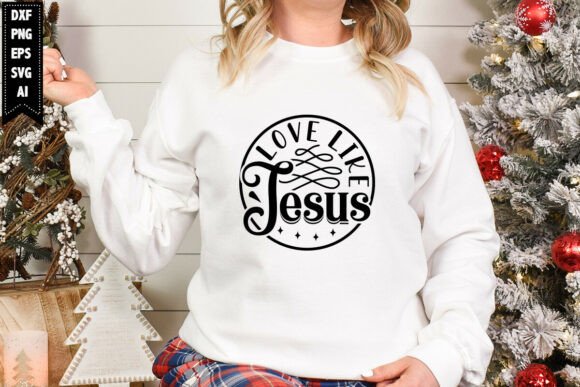
Jesus Christmas Cross, Christmas Jesus
A Quiet, Reverent Shape That Fits Real-Life Embroidery Work
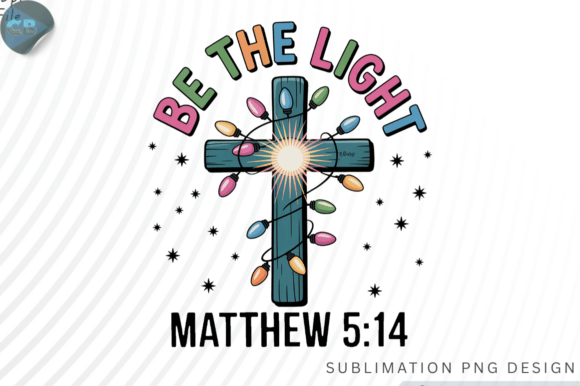
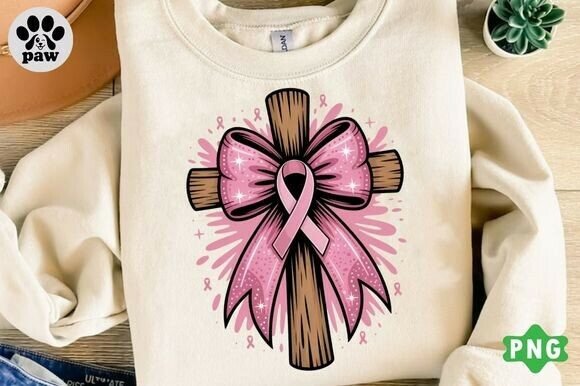
When I opened Jesus Christmas Cross, Christmas Jesus for the first time—prepping it for a custom holiday tote bag order—I didn’t see flash or fuss. What stood out was balance: the cross centered with gentle curvature in the arms, the subtle silhouette of Christ integrated without heavy outlining, and soft negative space around the figure that invites breathing room in stitching. It’s not a bold graphic; it’s a contemplative motif. That makes it ideal for handmade products where sincerity matters more than saturation—think nursery decor, baby onesies, linen tea towels for a faith-based boutique, or unisex sweatshirts for a small church co-op.
Where This Design Earns Its Keep
I stitched Jesus Christmas Cross, Christmas Jesus on three very different substrates: a medium-weight cotton tote, a French terry sweatshirt, and a 100% linen kitchen towel. On each, it held up—not because it’s technically aggressive, but because its thoughtful layout respects fabric behavior. The design avoids tight corners, micro-details, and overlapping satin stitches that snag or pucker. That means fewer re-hooping moments, less thread breakage on dense fill areas, and smoother transitions when scaling across sizes.
For custom apparel, it reads clearly at 3.5"–4.5" wide—ideal for left-chest placement on tees or centered back embroidery on youth sweatshirts. As a tote bag design, it anchors well near the bottom seam without dragging the eye down. On a pillow cover or apron, it adds quiet intentionality without competing with texture or pattern. And yes—it works beautifully as an embroidered patch, especially when backed with heat-seal stabilizer for clean edges and easy iron-on application.
Where to Pause—and Test First
This isn’t a one-size-fits-all machine embroidery design. Its grace depends on context. On stretchy fabric like jersey knits or ribbed cuffs, I recommend basting + cutaway stabilizer underneath—otherwise, the gentle curves can distort slightly during stitching. On dark fabric, avoid light pastel threads unless you’re using high-contrast underlay; the design’s modest detail relies on tonal clarity, not sheer brightness. And while it scales down decently to ~2.75", I wouldn’t push it below that for caps or baby embroidery—the central figure loses definition, and tiny hands or facial cues vanish into fill stitch noise.
Also worth noting: this isn’t built for heavy applique design layering. There’s no built-in tack-down sequence or reverse-cut path. If you’re planning to add fabric appliqué over parts of the cross or figure, treat it as a base layer—not a composite file. And if your project involves frequent washing (like kids’ clothes or kitchen linens), double-check stitch density in the torso and crossbeam areas. Too much fill can stiffen over time; a light running stitch outline helps maintain drape.
What It Adds to Your Handmade Product—and Your Customer’s Experience
Jesus Christmas Cross, Christmas Jesus doesn’t shout. It settles. That’s rare in holiday embroidery, where many designs lean festive or literal. Because of that, it elevates perceived value—not through complexity, but through intention. Customers notice the restraint. A mom buying a personalized gift for her pastor’s wife paused mid-checkout to message me: “It feels peaceful, not preachy.” That kind of resonance builds trust, especially for Etsy sellers and small shop owners curating meaningful inventory.
Visually, it supports brand consistency for makers who blend faith, craft, and minimalism—think neutral palettes, natural fibers, and slow-made ethos. It also translates cleanly into printable mockups: whether you’re building a digital product preview or listing on Etsy, the shape holds up in grayscale, shadows, and flat-lay photos. No need to over-edit or boost contrast. That saves time—and keeps your design assets feeling cohesive across platforms.
Practical Notes from the Hoop
Before stitching your first finished product, do these five things:
- Test on scrap fabric—especially if using textured weaves (burlap, heavy twill) or lightweight voile. Watch how the arms of the cross behave on bias cuts.
- Check thread color contrast in natural light. Soft ecru on oatmeal linen? Lovely. But the same combo on heather gray fleece may disappear.
- Review stitch density in the central figure area. If your machine flags high-density zones, consider reducing fill % by 5–8%—it rarely sacrifices legibility.
- Confirm hoop size compatibility. While most versions fit standard 4"x4" hoops, some variants include optional extended borders for larger placements. Don’t assume.
- Verify licensing before selling physical items or bundling the file digitally. Since this falls under T-Shirt Designs, confirm whether commercial use is included—or if attribution or volume limits apply.
Final Thought: A Design That Serves the Moment, Not Just the Machine
Jesus Christmas Cross, Christmas Jesus won’t win awards for technical fireworks—but it earns respect for thoughtful execution. It fits naturally into real embroidery projects where clarity, reverence, and wearability matter more than ornamentation. Whether you’re stitching a last-minute personalized gift, prepping holiday stock for your craft business, or building a signature line of holiday embroidery for your small shop, this design delivers calm confidence—not clutter. And in a season full of noise, that’s a rare and usable kind of power.